


End-to-end process, technical approach and construction philosophy.
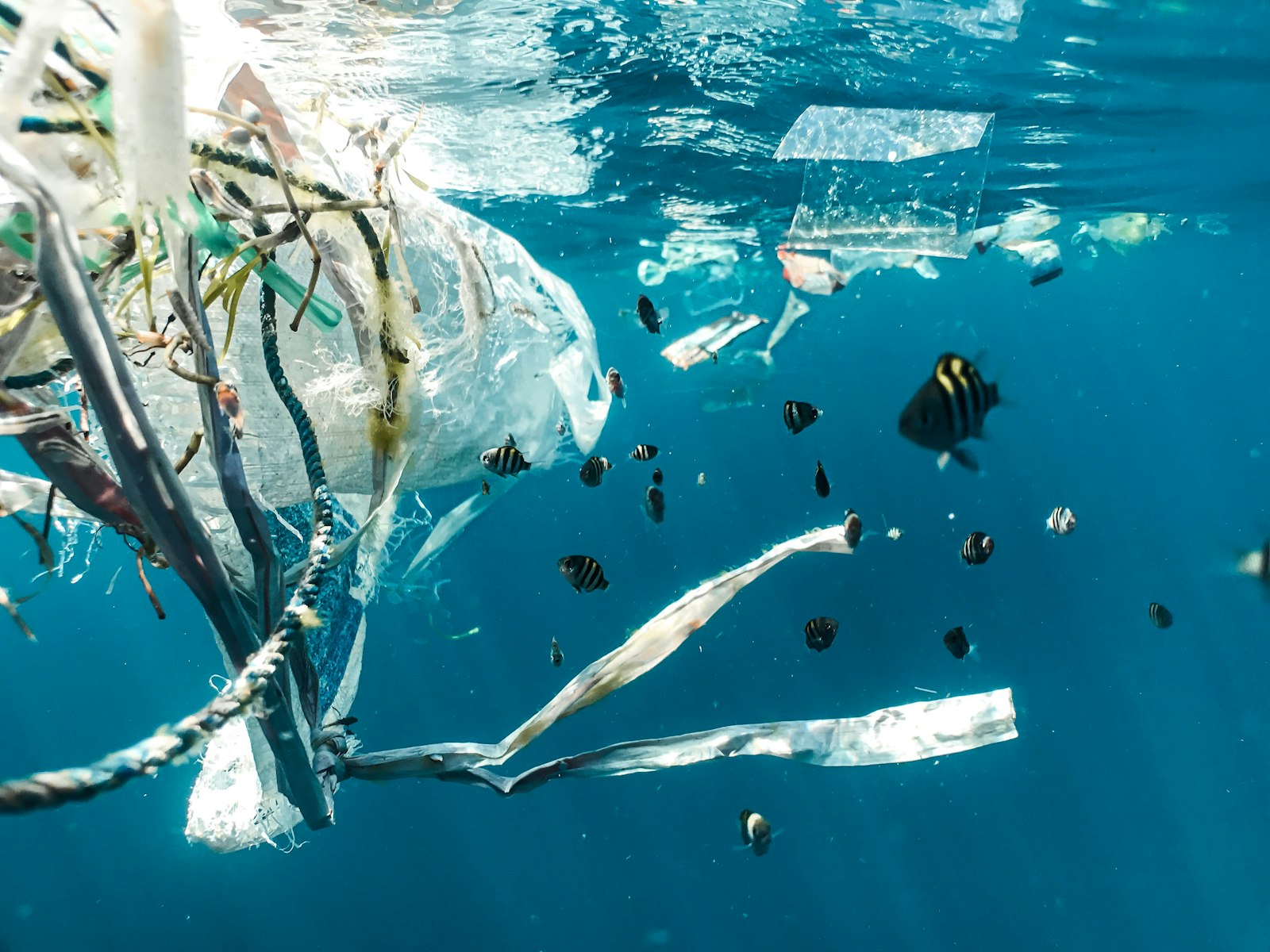
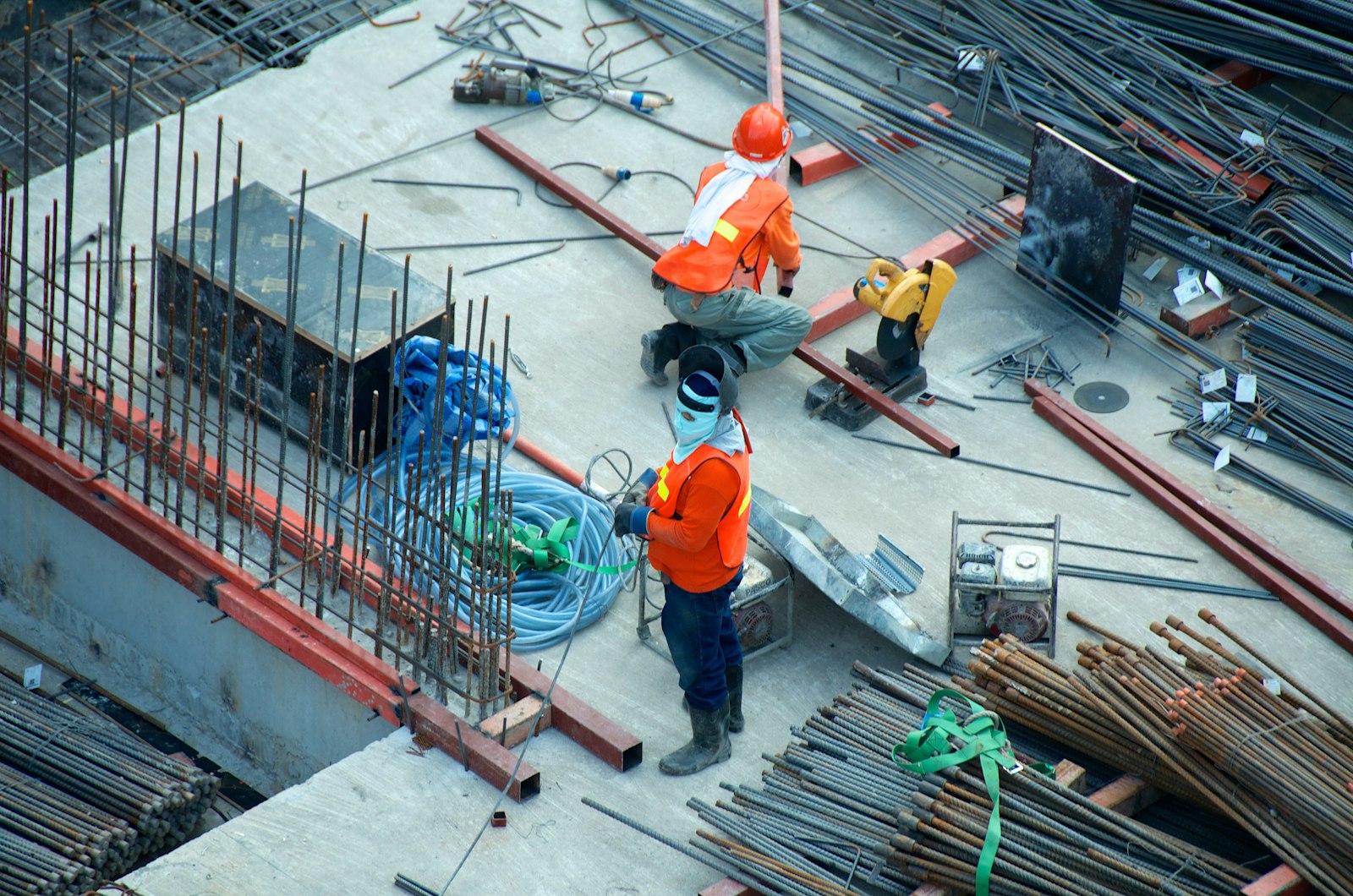
Every tonne of material follows a controlled path from collection to permanent placement.
Urban and coastal waste streams are sourced under formal agreements. Focus on plastics, selected construction debris and other cleanable fractions. Contaminated or hazardous materials are excluded at source.
Multi-stage washing, density separation, optical sorting and contaminant removal. Only fractions that meet internal marine-safety specifications proceed. Residuals are handled through existing licensed channels.
Cleaned material is shredded, pelletized or aggregated and combined with marine-safe binders and density modifiers. The resulting matrix is designed for long-term stability in a marine environment.
Material is moved by dedicated or contracted vessels to the construction coordinates. Logistics are scheduled around weather windows and continuous monitoring requirements.
Modular placement using geotextile containment, progressive layering and interlocking. Foundations are built to the required thickness and footprint. Continuous survey and adjustment.
Substrate creation, pioneer planting (mangroves and salt-tolerant species), and monitoring of early ecological succession. See the Ecology page for the full species plan.
Binders and additives are selected and tested specifically for long-term marine stability. No uncontrolled release of microplastics or toxins is acceptable.
Water quality, structural integrity, and ecological indicators are measured continuously. Data feeds into adaptive management of placement and planting.
The island is designed as a growing system. New modules can be added without compromising existing structures or environmental performance.
From the outset the geometry, elevation and soil-creation strategy anticipate eventual human use — housing, food production, research and community space.
Investors and technical partners can request the detailed process documentation, material specifications and environmental protocols.
Request Documentation