





Honest numbers. Congo-scale is a civilisational project. City-scale modules are the near-term engineering target.
| Parameter | Value | Rationale |
|---|---|---|
| Bulk density of cleaned & compressed matrix | 850 kg/m³ | After washing, shredding, binding and compaction |
| Average foundation / platform thickness | 6 m | Increased from earlier 4.5 m to support 5-storey buildings + airport pavement loads |
| Usable surface factor | 78% | After freeboard, slopes, wave protection, green corridors and infrastructure rights-of-way |
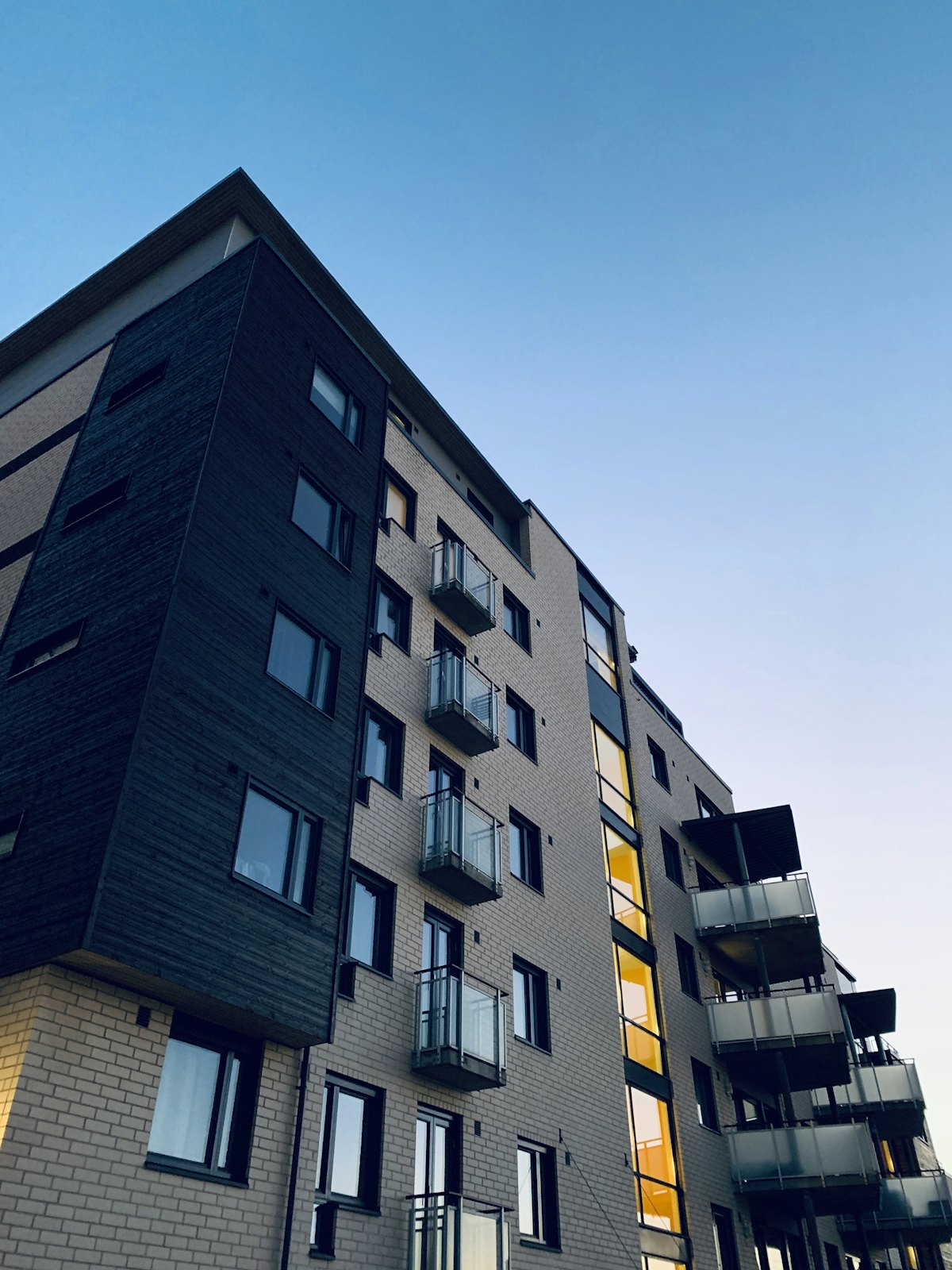
| Maximum building height | 5 storeys (≈ 16 m) | Human scale, lower embodied energy, clear airspace for FlyRiders eVTOL |
| Design live load (residential / mixed) | 4 kPa | Standard for mid-rise apartments and light commercial |
| Regional airport runway | 2,800 m | Capable of regional jets and large turboprops |
| Vertiport density (FlyRiders) | ~1 per 15 km² | Supports dense aerial mobility without high-rise corridors |
Formula used: Mass (t) = Area (m²) × Thickness (m) × Density (kg/m³) / 1000
120 km²
Material required: 612.0 million tonnes
At 1 t/day → 1,675,565 years
At 50 000 t/day → ~33.5 years
This size supports multiple 5-storey residential districts, a regional airport, extensive green space and a full FlyRiders vertiport network.
8,500 km²
Material required: 43.35 billion tonnes
Requires industrial-scale continuous production and decades of sustained effort.
2,344,858 km²
Material required: 11,959 billion tonnes
At 1 t/day → ~32,741,344 thousand years
This is a multi-century civilisational project requiring planetary-scale waste mobilisation and dedicated industrial capacity.
The platform is engineered as a deep, continuous structural matrix (not a thin floating barge). Key points:
The operating system of the new land. Coordinates energy, water, mobility, environmental monitoring, logistics and emergency response across every module. Designed as an African-led AI stack with digital twins of every district.
Every city-scale module is born digital. Sensors, twin models and AI control loops are part of the initial infrastructure, not an afterthought. This enables continuous optimisation and transparent governance data.
Aerial mobility is designed in from the start via the sister project decoloniseafrica.com/flyriders/. Vertiports, low-altitude corridors and charging infrastructure sit alongside the 5-storey urban fabric so flying vehicles become the primary inter-district and inter-module transport.
Request the full technical package (material specifications, structural assumptions, environmental protocols and scale roadmap).
Request Technical Package Investment Pathways