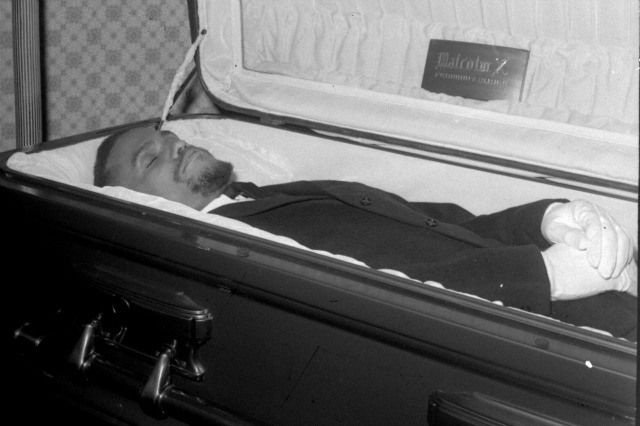
THE DAY THE GUNFIRE ECHOED: THE ASSASSINATION OF MALCOLM X — FEBRUARY 21, 1965 The Moment the Shots Broke the Room On February 21, 1965, a man stepped toward a podium inside the Audubon Ballroom in New York City. He greeted the crowd calmly. Seconds later, gunfire tore through the room. People screamed. Chairs flipped. Smoke filled the air. The man collapsing to the floor was Malcolm X. He was 39 years old. A Leader in Transition By 1965, Malcolm X was no longer the same man America first met in the early 1960s. He had broken publicly from the Nation of Islam, the group that helped shape his rise. His split from its leader, Elijah Muhammad, was bitter and highly visible. Malcolm had begun rethinking parts of his ideology. After traveling to Mecca in 1964, he embraced a broader view of global solidarity. He spoke about human rights instead of only civil rights. He criticized racism but also began building alliances across racial lines. This evolution made him influential—and isolated. He had powerful enemies. Tension Before the Event In the weeks leading up to February 21, threats against Malcolm increased. His home in Queens had been firebombed just days earlier while his wife and children were inside. He knew he was a target. Still, he continued speaking publicly. That Sunday afternoon, he was scheduled to address supporters at the Audubon Ballroom in Manhattan. Security was present, but it was limited. The atmosphere was tense but not chaotic. Then a disturbance broke out in the crowd. The Assassination Witnesses reported that a man shouted from the audience, creating a distraction. As attention shifted, multiple gunmen rushed forward. Malcolm X was shot repeatedly at close range. Chaos followed. He was rushed to a nearby hospital, but doctors could not save him. He was pronounced dead shortly after arrival. His wife, Betty Shabazz, was pregnant with their twins at the time. He left behind six daughters. The Arrests and Convictions Three men were arrested and convicted for the assassination: Muhammad A. Aziz Khalil Islam Thomas Hagan For decades, questions surrounded the case. Hagan admitted involvement but maintained that the other two men were not directly involved. In 2021, after a re-investigation, Aziz and Islam were exonerated. Their convictions were vacated after evidence showed authorities had withheld key information. This development reopened long-standing concerns about how the investigation was handled. The FBI and Surveillance At the time of his death, Malcolm X was under heavy surveillance. Federal agencies monitored him closely. The FBI’s COINTELPRO program targeted Black leaders and organizations considered politically disruptive. While direct involvement of federal agencies in the assassination has not been proven in court, the level of monitoring and intelligence awareness has fueled debate for decades. Documents later revealed that law enforcement had informants inside organizations connected to Malcolm. Questions remain. A Funeral Watched by Thousands Malcolm X’s funeral in Harlem drew thousands of mourners. Leaders from across the political spectrum acknowledged his impact. Even those who disagreed with his methods could not deny his influence. He had challenged America’s racial structure directly. He had rejected gradualism. He had demanded dignity and self-determination. His voice had been sharp. His death was louder. The Shift After His Death After February 21, 1965, the Black freedom struggle changed tone. Some activists became more cautious. Others grew more militant. The emergence of organizations like the Black Panther Party reflected Malcolm’s influence on a younger generation. He had spoken about self-defense, global unity, and economic power. Even in death, those ideas spread. The Resolution Malcolm X was assassinated, but his ideas were not buried with him. He evolved publicly. He admitted growth. He challenged systems directly. He forced uncomfortable conversations about race, power, and identity in America. His death remains one of the most debated political assassinations in U.S. history. What is clear is this: On February 21, 1965, bullets ended a life—but they amplified a legacy
THE ASSASSINATION OF MALCOLM X
Search the Truth ✊
Frontlines
Latest Dispatches
Decolonize Africa News BIG LOSS TO KENYANS: Old, Corrupt Leaders Keep Getting Re-Elected – Perpetuating the Grip of the Elite
Oburu’s Health Crisis: ‘Tunataka Pawa’ May Never Be Realized
Corrupt kenya president ruto asking iran to stop bombing his houses in dubai
Iran new Supreme Leader corrects Kenya ambassador on phone !
Iran Supreme Leader Ayatollah Ali Khamenei Embraces Martyrdom
Gaddafi’s 2009 UN Warning on Viruses and Vaccines: Prophecy, Coincidence, or Just Old-School Anti-Capitalist Rhetoric?
Kenya National Assembly Reshuffles Committees: Caroli Omondi Ousted from Key Constitutional Oversight RoleNairobi, February 25, 2026
Linda Mwananchi Rally at Amalemba Grounds, Kakamega Kakamega, February 22, 2026
Most Read – Voices of the People
Traore -They call us poor but when we ask them to leave they refuse
312 views
kdf recruitment
264 views
HAPPY New Year
217 views
Gaddafi’s 2009 UN Warning on Viruses and Vaccines: Prophecy, Coincidence, or Just Old-School Anti-Capitalist Rhetoric?
208 views
Uhuru Kenyatta and Kalonzo in Lagos, Nigeria, ahead of the Future Africa Leaders Awards ceremony
198 views
UNs Jean Pierre Lacroix thanks India for contribution to peacekeeping
195 views
Stay in the Struggle ✊🏿
The truth is our weapon.
Share it. Spread it. Live it.
Raise Your Voice ✊🏿
Unity is Strength – Share Your Perspective
Voices of Unity
No voices yet. Be the first.